


February 18, 2026
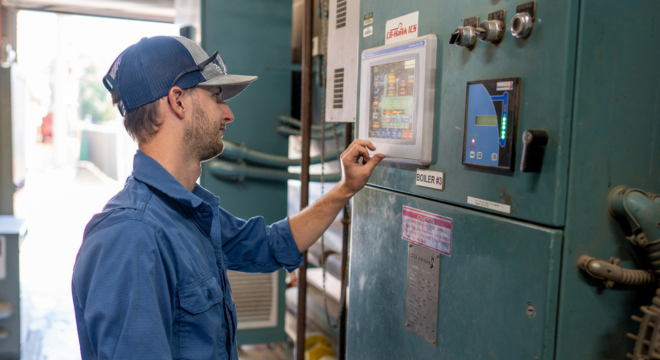
Proactive building maintenance services usually save more — up to 30% in total maintenance costs —than a reactive break-fix approach because they reduce breakdowns, downtime and total maintenance costs. Commercial building maintenance services are often split between reactive, break-fix work and preventative maintenance tasks that keep equipment running smoothly. Facility leaders need clear insight into how proactive building maintenance services compare with reactive maintenance, what that means for total cost of ownership and how TDIndustries' proactive maintenance services support a more resilient approach to building operations.
What is the Difference Between Proactive and Reactive Maintenance?
Reactive maintenance focuses on fixing problems after they occur, while proactive maintenance focuses on preventing problems through planned inspections and routine service.
Many building owners still lean on reactive building maintenance services, calling for help only after something stops working, because it can feel cheaper in the short term. This break-fix model often leads to surprise expenses and disruptive downtime when HVAC units fail, pipes leak or electrical systems trip.
Proactive maintenance services take the opposite approach. Teams follow planned inspections and routine repairs to catch issues early and keep systems stable. In commercial building maintenance, that might mean scheduled HVAC maintenance before peak seasons, regular plumbing inspections to prevent leaks and electrical maintenance services that verify critical components are operating safely.
Balancing Proactive and Reactive Maintenance
Most facilities benefit from making proactive building maintenance services the default for critical systems and reserving reactive maintenance for lower-risk, lower-cost items. No building can eliminate reactive maintenance entirely, and equipment can be serviced according to risk.
The goal is to prioritize proactive maintenance for critical systems such as HVAC, electrical infrastructure, plumbing and fire and life safety systems, where failures can disrupt operations or pose safety concerns. Noncritical fixtures or low-cost components may require less attention without significant risk to occupants or business continuity.
A data-driven approach can also help identify which systems demand more proactive attention. Service history, downtime trends and smart building analytics tools, like TD's BrightBlue® platform, can reveal failure patterns, comfort complaints and energy use. These insights show which assets have the greatest impact on safety, operations and costs, so they can be prioritized for proactive maintenance.
.png?width=660&height=360&name=Blog_660x360%20(1).png)
How Proactive Building Maintenance Services Impact Total Cost of Ownership
For facility leaders, the real question is not just the next invoice but how maintenance strategy shapes costs over the full life-cycle of a building. Organizations that rely heavily on reactive maintenance tend to experience more equipment failures, more interruptions and higher overall repair spending.
An IFMA research report, Comparing the Cost of Reactive vs. Preventive Maintenance, shows that strong proactive maintenance programs can deliver meaningful gains in reliability and cost control. These findings indicate that well-planned proactive maintenance can:
- Reduce equipment breakdowns by up to 70%
- Cut downtime by as much as 35%-45%
- Decrease total maintenance costs by up to 30%
For building owners, this means shifting from an emergency-driven spending pattern to a more planned and predictable one. Planned HVAC, plumbing, electrical and building controls maintenance services create steadier costs and fewer crises. Instead of paying premium rates for after-hours repairs and rush-ordered parts, you are investing in inspections, adjustments and minor fixes that extend equipment life and support long-term capital planning.
Proactive maintenance also improves overall energy performance by keeping systems operating more efficiently, rather than running under strain or with unresolved problems. Preventive programs optimize equipment performance, supporting energy-efficiency goals by reducing waste and unnecessary utility use. Over time, those efficiency gains become a vital part of the total cost-of-ownership advantage that proactive building maintenance services provide.
Learn more in our blog, The Hidden Cost of Deferred Maintenance.
How Proactive Building Maintenance Services Impact Total Cost of Ownership
Maintenance service agreements may look more expensive up front, but they create a proactive maintenance structure that reduces costly downtime and emergency repairs, extends equipment life and helps keep warranties valid.
These contracts also make maintenance spending more predictable because costs are scoped and spread over the year instead of spiking with unexpected failures. Many agreements include flat-rate or discounted pricing on labor and parts, which lowers long-term maintenance costs compared with purely reactive service.
Well-structured maintenance agreements improve reliability and safety by ensuring critical systems receive consistent attention, testing and documentation. Over the building life-cycle, fewer breakdowns, steadier budgets and longer asset life work together to multiply savings.
Key Takeaways: Proactive vs. Reactive Maintenance
- For most commercial buildings, reactive maintenance appears cheaper at first but tends to drive up total costs over the building's life-cycle. It often leads to higher emergency fees, unplanned downtime, greater strain on in-house teams and a higher risk of safety or compliance issues when systems are not inspected regularly.
- Proactive building maintenance services shift that pattern by focusing on planned inspections, routine service and agreed scopes of work. Facilities see fewer surprise failures, shorter disruptions, better energy performance and longer equipment life, which helps stabilize budgets and support long-term capital planning.
- When facility leaders shift from a mostly reactive model to a proactive maintenance strategy supported by clear service agreements, they typically spend less on emergencies and keep critical systems performing reliably over time. This combination of lower risk, steadier budgets and improved asset performance makes proactive building maintenance services a better long-term investment than a break-fix approach.
.png?width=660&height=360&name=Blog_660x360%20(2).png)
Proactive Maintenance Starts Here
TDIndustries helps facility leaders shift from reactive fixes to proactive building maintenance with tailored maintenance agreements that improve performance, extend equipment life and support occupant comfort and safety year after year. Contact us today to get started.

Your Partner for Proactive Maintenance
TDIndustries delivers building maintenance services that keep facilities running reliably, from daily operations to long-term capital planning. With integrated HVAC, plumbing, electrical, fire and life safety, facilities services, building automation and controls and smart building analytics, TD supports your in-house team with skilled technicians, 24/7 response and customizable service agreements that match your budget and goals. This proactive focus helps reduce emergency repairs, manage utility costs and extend the life of your critical building systems.