


June 3, 2026
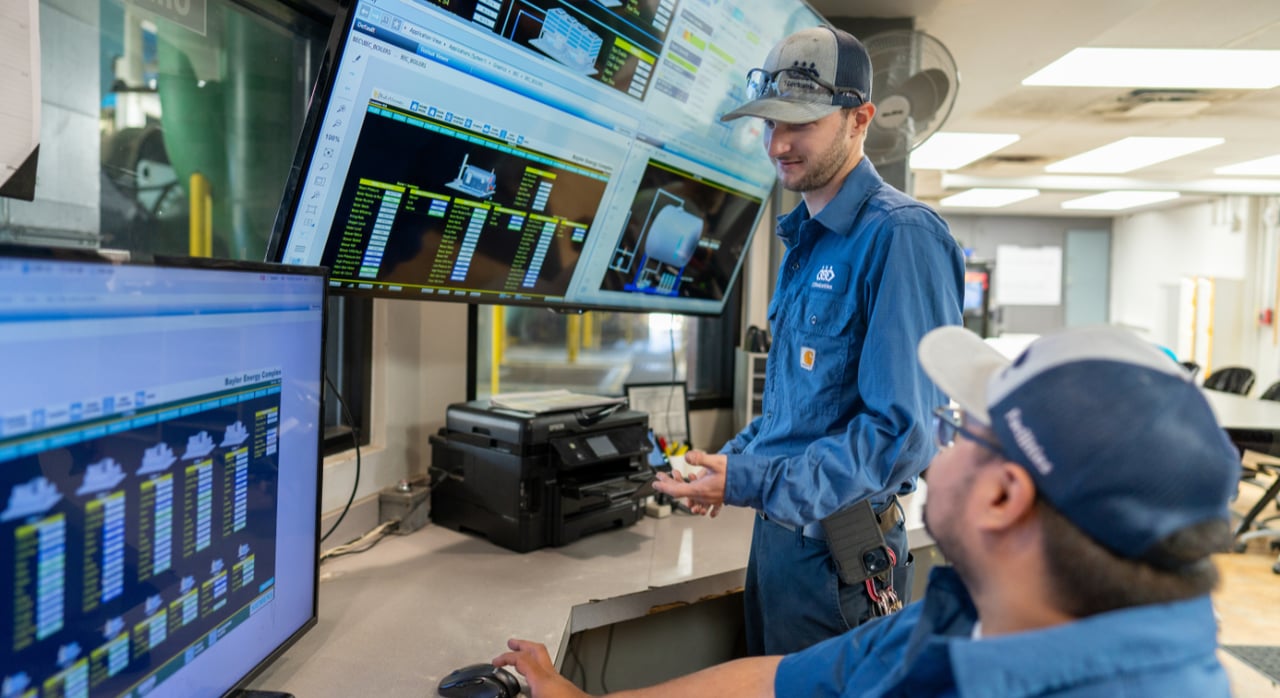
Building infrastructure is often overlooked until something fails. The parts of a building that we don’t see are what keep it running, like heating, cooling, electrical and plumbing systems. When these systems aren’t managed strategically, reactive maintenance, higher costs and unexpected disruptions are almost always inevitable.
That’s why building optimization and efficiency are priorities across industries like education, aviation, healthcare and public-sector facilities. Organizations need more predictable operations to stretch budgets, reduce risk and avoid costly disruptions.
What Challenges Do Facility Owners Face?
Organizations across industries share similar obstacles while managing their facilities:
- Limited maintenance budgets and staffing
- Deferred infrastructure investments
- Run-to-failure maintenance approach
- Limited visibility into the condition of equipment and long-term risk
Without a proactive building maintenance strategy, facilities often fall into a costly run-to-failure cycle that increases downtime, emergency repairs and operational stress.
Building Optimization – What it Really Means
Building optimization isn’t about preventing every failure. Equipment is still going to age and break over time. Instead, long-term facility strategy focuses on predictability and sustainability. It’s about understanding the equipment that exists, how it performs and how to plan for its life-cycle.
Having a road map helps to ensure that maintenance becomes proactive rather than reactive. This helps organizations gain control of their facilities.
A Practical Road Map to Building Optimization
Organizations like TDIndustries often follow a phased approach for successful facility performance:
Phase 1 – Transition
Transition establishes visibility. Facilities assess existing conditions, identify deferred maintenance and create a clear picture of assets and risk.
Phase 2 – Stabilization
Maintenance becomes more structured and predictable. Proactive maintenance plans are implemented, often supported by a computerized maintenance management system (CMMS) that tracks assets, schedules work and improves accountability.
Phase 3 – Optimization
In this phase, facilities reach a more sustainable operating state. Staffing and resources are scaled appropriately, costs become more predictable and data helps guide decisions.
.png?width=850&height=464&name=BuildingOptimizationBlog_660x360px%20(1).png)
Why Use a CMMS?
A strong computerized maintenance management system (CMMS) creates visibility into assets, maintenance history and work orders. With better data, facilities teams can prioritize repairs, identify trends and plan more proactively.
Optimization in Practice
Across large and complex facilities, such as campuses, transportation hubs and public-sector buildings, optimization usually starts small. Organizations may begin with basic maintenance support and gradually build into advisory services, long-term planning and operational consulting.
As systems mature, facilities see fewer emergencies, improved uptime and better alignment between facility operations and organizational goals. That’s why TDIndustries offers customized maintenance plans to fit the needs of every customer.
Why the Right Facility Partner Matters
Many organizations know their buildings need attention but lack the time, expertise or staffing resources to manage it alone. TDIndustries' building maintenance services help customers take a proactive stance on their maintenance so they catch problems before they become critical failures.
With the right approach, operational reliability becomes less about reacting to problems and more about creating efficient and reliable environments that support people and operations.
Ready to Take the Next Step?
Not sure where your facility falls on the optimization journey? Whether your organization is dealing with aging infrastructure, deferred maintenance or limited staffing, TDIndustries can help develop a practical roadmap toward more reliable facility performance. Contact the TDIndustries team to discuss a maintenance strategy tailored to your facility needs.
